
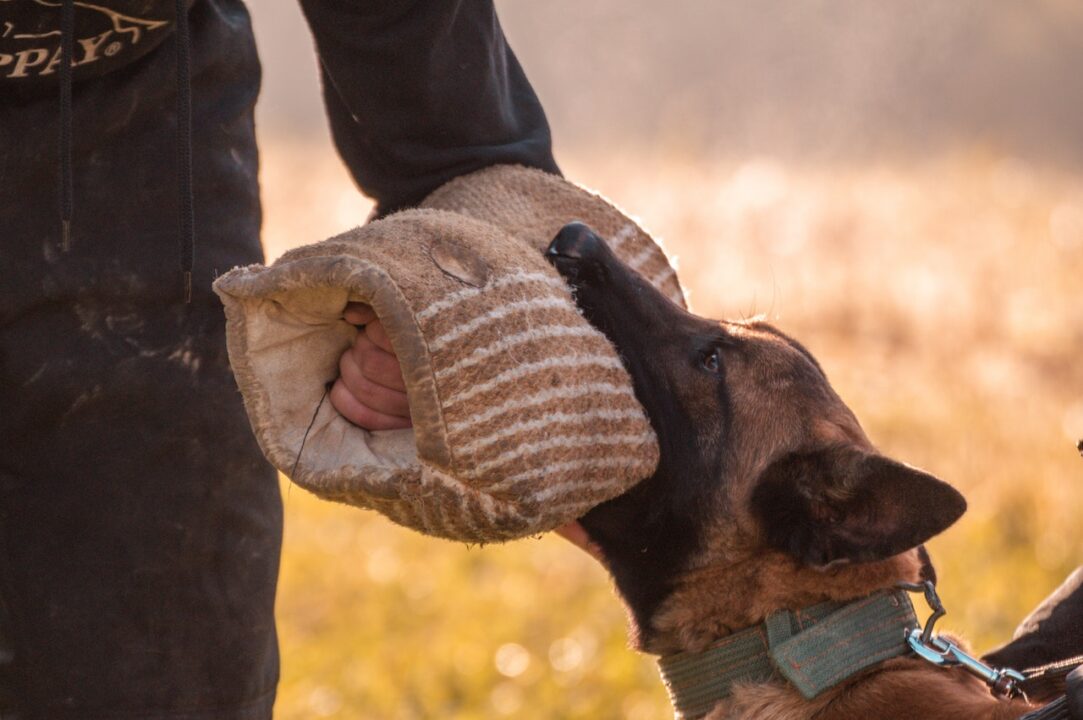
Dog bite incidents can have significant legal consequences for both the victim and the owner of the dog. Understanding these implications is essential to ensure that rights are protected, liability is properly assigned, and appropriate compensation is pursued if injuries occur.
Understanding Legal Responsibility: Personal Injury Lawyer for Dog Bite Philadelphia, PA
In many jurisdictions, dog owners are held responsible for injuries caused by their pets. However, the specifics of liability can vary depending on local laws.
- Under strict liability laws, a dog owner can be held liable for a bite regardless of whether they were negligent or if the dog had no prior history of aggression.
- These laws make it easier for victims to seek compensation without needing to prove that the owner was aware of their dog’s dangerous behavior.
- Some states follow the “one-bite rule,” which means an owner may only be held liable if they knew or should have known that their dog had a tendency to bite based on past behavior.
- This requires proving that the owner failed to take reasonable precautions after becoming aware of their dog’s aggressive tendencies.
It is important to understand which framework applies in your state or region to determine how liability may be established in your case.
Finding the Right Law Firm for Dog Bite Injury in Philadelphia, PA
- Negligence
The victim must prove that the owner’s failure to exercise reasonable care caused or contributed to the incident (e. g. , failure to leash a known-aggressive dog). - Premises Liability
If a bite occurs on private property, such as during a visit to someone’s home, premises liability laws may hold property owners accountable based on unsafe conditions leading up to the attack. - Animal Control Law Violations
If a dog owner violates local animal control ordinances (e. g. , leash laws) and this violation directly results in injury, it may establish clear liability.
Statute of Limitations for Dog Bite Cases
Most states impose time limits during which victims must file a claim after being bitten—this is known as the statute of limitations. Failure to file within this period can result in forfeiting any right to recovery.
| Jurisdiction Type | Typical Filing Deadline | Notes |
| Strict Liability States | 2–3 years | Timeframes vary by state |
| One-Bite Rule States | Up to 3 years | May depend on case complexity |
Consulting with an attorney immediately after an incident ensures you stay within these time limits while building a strong case.
Potential Legal Defenses in Dog Bite Cases
- Provocation: Arguing that the victim provoked the attack through actions such as teasing or threatening behavior.
- Trespassing: Claiming that injuries occurred because the victim was unlawfully present on private property at the time.
- Assumption of Risk: Asserting that victims knowingly put themselves at risk (e. g. , entering areas labeled with warning signs about dogs).
Being aware of these potential defenses allows victims and their attorneys to effectively counter them during litigation or settlement negotiations.
Understanding these legal dimensions helps victims navigate an inherently complex process with clarity and confidence while protecting their rights.
Finding the Right Philadelphia, PA Dog Bite Attorney to Help After an Injury
Dog bite incidents can be both physically and emotionally distressing. In addition to medical concerns, victims may encounter legal and financial challenges as they seek compensation for their injuries. This is where the expertise of a personal injury lawyer becomes invaluable. A qualified attorney can guide victims through the legal process, ensuring their rights are protected and they receive the compensation they deserve. Below are ways a personal injury lawyer can assist in such cases.
Expert Dog Bite Injury Lawyer in Philadelphia, PA for Legal Guidance and Representation
A personal injury lawyer will evaluate the specifics of your case, including local dog bite laws, statutes of limitations, and liability rules. They will provide clear advice on how to proceed with your claim while representing your interests throughout negotiations or court proceedings.
Key responsibilities include:
– Determining whether strict liability laws apply in your jurisdiction (some states hold dog owners automatically liable).
– Advising on shared fault scenarios if the victim’s actions contributed to the incident.
– Navigating insurance claims and policies related to dog bite injuries.
Finding the Best Dog Bite Lawyer Philadelphia, PA to Help Gather Evidence for Your Claim
Strong evidence is essential in proving liability and building a solid case.
– Witness statements from individuals who observed the incident.
– Medical records detailing your injuries and treatment.
– Photos or videos of your injuries, as well as of the location where the bite occurred.
– Documentation regarding past behavior or history of aggression by the dog in question.
Understanding Philadelphia, PA Dog Bite Laws and Dealing with Insurance Companies
Dealing with insurance companies can be intimidating, especially when adjusters try to minimize payouts or deny claims altogether. A personal injury attorney acts as an advocate during these negotiations, ensuring that you are treated fairly.
They will:
1. Communicate directly with insurers on your behalf. 2. Provide evidence supporting your claim for damages. 3. Counter low settlement offers with well-supported demands for fair compensation.
How to Sue for Dog Bite Philadelphia, PA: Understanding Comprehensive Damages
An experienced attorney understands that victims may face more than medical bills after a dog bite incident—they may also endure emotional trauma, lost wages, or long-term disability depending on the severity of their injuries.
| Type of Damages | Examples |
| Economic Damages | Medical bills, lost wages, future rehabilitation costs |
| Non-Economic Damages | Pain and suffering, emotional distress |
Your lawyer will work to ensure that all relevant damages are accounted for when calculating fair compensation amounts.
Expert Animal Attack Attorney in Philadelphia, PA for Legal Support
If negotiations fail to result in an acceptable settlement offer—or if liability is disputed—your lawyer can file a lawsuit on your behalf and represent you in court. They will handle all pre-trial motions, discovery processes, and trial advocacy required to present a compelling case before a judge or jury.
By hiring an experienced personal injury lawyer after a dog bite incident, you gain access to professional support that enables you to focus on recovery while pursuing justice for your injuries effectively. The complexities involved in these cases make legal representation essential for achieving favorable outcomes tailored to each victim’s unique circumstances.
Top Dog Attack Attorney Philadelphia, PA: Key Factors in Determining Liability for Dog Bite Injuries
One of the primary factors examined is whether the dog’s owner or handler had control over the animal at the time of the attack.
– Was the owner present during the incident?
– Was the dog on a leash or contained within private property?
– Did someone other than the owner have responsibility for controlling or supervising the dog?
If negligence can be proven—such as failing to secure a known aggressive dog—the owner or handler may be held liable.
Liability often hinges on whether an owner was aware of their pet’s aggressive tendencies prior to an attack. This legal principle, sometimes referred to as “the one-bite rule,” applies in jurisdictions where owners are held responsible if they knew (or should have known) that their dog was dangerous.
– Previous bites or attacks involving the same dog
– Evidence of territorial aggression, such as growling at strangers or other animals
Some states impose strict liability, meaning an owner is responsible regardless of prior knowledge about their dog’s propensity for aggression.
| State | Liability Standard | Key Notes |
| California | Strict liability | No requirement to prove prior knowledge |
| Texas | One-bite rule | Must demonstrate previous signs of aggression |
| Florida | Strict liability | Applies even if no past biting incidents |
In certain cases, a victim’s actions may influence liability determinations.
– Trespassing: If a person was unlawfully on private property when bitten, it could limit or negate an owner’s liability depending on local laws.Provocation: If evidence shows that someone provoked a dog—through teasing, hitting, or otherwise threatening behavior—their ability to claim damages might be reduced.
Compliance with local ordinances regarding leash usage and proper containment can also impact fault determination. Common questions include: – Was the incident caused by failure to follow leash laws?
– Did inadequate fencing allow the animal to roam freely?
An owner who violates these regulations may face penalties and increased chances of being found liable.
Some municipalities enforce breed-specific legislation targeting breeds perceived as more aggressive (e. g. , pit bulls). While controversial, these laws can influence legal proceedings by placing additional responsibilities on owners within regulated areas.
Final Notes on Establishing Liability
Dog bite cases require careful analysis of state-specific statutes, evidence documentation (such as witness statements), and expert testimony where needed. Understanding how these key factors interact ensures victims receive appropriate compensation while promoting responsible pet ownership practices.

Trusted Philadelphia, PA Dog Bite Law Firm Helping Victims Maximize Compensation
Victims of dog bite incidents often face physical, emotional, and financial challenges. Ensuring they receive fair compensation is crucial for covering medical bills, lost wages, pain and suffering, and other damages stemming from the incident.
Documenting the Incident Thoroughly
One of the most important steps following a dog bite is to collect comprehensive evidence. Proper documentation strengthens your case and helps establish liability.
- Photographs: Take clear photos of the injury immediately after the attack and as it progresses during treatment.
- Medical Records: Obtain detailed records from your healthcare provider that describe the nature of your injuries and required treatments.
- Witness Statements: Collect contact information from any witnesses who saw the incident occur. Their statements could help corroborate your account.
- Incident Reports: File a report with local authorities or animal control to ensure there is an official record of the attack.
Compensation in a dog bite case typically falls into two categories—economic and non-economic damages.
| Type of Damage | Examples |
| Economic Damages | Medical bills, rehabilitation costs, lost wages, future medical expenses |
| Non-Economic Damages | Pain and suffering, emotional distress, loss of quality of life |
g.
Working with Experts
- Medical Experts: Can provide testimony on the severity of injuries and necessary treatments.
- Psychological Counselors: May comment on trauma or emotional challenges caused by the attack.
- Vocational Experts: Can evaluate how injuries impact long-term employability.
Expert analysis ensures that all aspects of physical, mental, and financial harm are clearly presented.
Negotiating with Insurance Companies
Insurance companies representing dog owners may attempt to minimize payouts by claiming the victim provoked the animal or exaggerating their injuries.
- Avoid speaking directly with insurance adjusters without legal guidance.
- Provide only factual details when asked about the incident.
- Work with a personal injury lawyer skilled in handling negotiations to ensure you do not accept an undervalued settlement.
Legal Representation as an Advantage
Hiring an experienced personal injury lawyer is one of the most effective ways to maximize compensation after a dog bite accident.
- Gather evidence to prove liability.
- Calculate all current and future damages accurately.
- Handle communications with insurance companies on your behalf.
- Represent you in court if necessary.
By leveraging their knowledge and experience, victims can focus on recovery while leaving complex legal matters in capable hands.
Securing fair compensation after a dog bite requires strategic planning, thorough evidence collection, expert assistance, and skilled negotiation or representation. Following these guidelines will help ensure victims receive justice for their suffering while addressing both immediate needs and long-term consequences effectively.
Why You Need a Contingency Dog Bite Lawyer Philadelphia, PA After Seeking Medical Attention
Dog bites can range from minor scratches to severe injuries that require extensive medical care. Regardless of the severity, seeking prompt medical attention after a dog bite is crucial for both your health and any potential legal claims you may need to pursue. Here’s why immediate action is so important and what steps you should take following such an incident.
Why Prompt Medical Care is Essential
- Dog bites can introduce bacteria into your body, leading to infections such as cellulitis or sepsis.
- Rabies, though rare in some regions, remains a serious concern if the dog’s vaccination status is unknown. Immediate medical attention allows healthcare professionals to administer necessary treatments like antibiotics or rabies vaccines.
- Visiting a healthcare provider ensures proper documentation of the injury, including its severity and location.
- This medical record can serve as critical evidence in any future legal claims or insurance disputes.
- Some injuries caused by dog bites are not immediately visible, such as muscle damage, nerve damage, or fractures from a powerful bite force.
- A thorough medical evaluation can identify underlying injuries that might worsen over time if left untreated.
- Early treatment minimizes the risk of complications like scarring or permanent tissue damage.
- Mental health considerations are also important; psychological trauma from a dog attack may require counseling or therapy.
- Wash the wound gently with soap and water for 5-10 minutes to remove dirt and bacteria.
- Apply an antiseptic solution if available.
- Use clean gauze or cloth to apply pressure on the wound until bleeding subsides.
- Once bleeding stops, cover the wound with sterile bandages to prevent contamination.
- Visit a doctor even for minor wounds to evaluate potential infection risks and assess whether stitches are necessary.
- Gather Information About the Dog: | Key Details to Collect | Why It’s Important | |————————————–|————————————| | Owner’s contact information | To determine vaccination history | | Proof of rabies vaccination | To avoid unnecessary treatments | | Witness accounts (if applicable) | For supporting evidence |
- Notify local animal control authorities about the bite, particularly if there’s no proof of rabies vaccination.
Long-Term Health Monitoring
Even if initial treatment appears successful, monitor your health closely in the following days for:
– Redness or swelling around the wound. – Fever or flu-like symptoms indicating infection. – Persistent pain or decreased mobility near the bite area.
Legal Considerations Related to Medical Care
Seeking medical attention not only protects your physical health but also strengthens any legal claims you may pursue against negligent dog owners:
– A well-documented treatment record serves as objective evidence of injury. – Delaying treatment may weaken your case by giving insurers grounds to argue that your injuries were exaggerated or unrelated to the bite incident.
Timely medical care after a dog bite is pivotal for safeguarding both your well-being and your rights in any resulting legal proceedings.
When dealing with the aftermath of a dog bite, victims often find themselves navigating complex legal and medical challenges. Hiring an experienced personal injury lawyer can make a substantial difference in successfully resolving your case. Below, we explore why legal expertise is vital in these situations and how it can impact the outcome.
Expertise in Dog Bite Laws
Dog bite laws vary widely depending on the jurisdiction. Some states follow strict liability rules, where the owner is automatically responsible for injuries caused by their dog, while others require proof of negligence or prior knowledge of aggressive behavior.
An experienced personal injury lawyer:
– Understands state-specific dog bite statutes and how they apply to your case.
– Knows how to build a strong argument based on legal precedents and evidence.
– Can analyze whether exceptions or defenses, such as provocation or trespassing, may be relevant.
This expertise ensures that your case is handled with precision from start to finish.
Navigating Insurance Claims
Dealing with insurance companies after a dog bite incident can be challenging. Adjusters often attempt to minimize payouts by disputing liability or undervaluing injuries. A seasoned personal injury lawyer knows how insurers operate and employs strategies to protect your rights.
Key ways an attorney can assist include:
– Communicating directly with insurance companies on your behalf.
– Negotiating fair compensation for medical bills, lost wages, pain, and suffering.
– Preventing you from accepting lowball settlement offers that don’t fully cover your losses.
Their goal is to ensure you are not left financially burdened due to the incident.
Building a Compelling Case
A successful claim often hinges on thorough preparation and evidence gathering.
- Investigating the dog’s history for prior incidents or complaints.
- Interviewing witnesses who observed the attack or unsafe conditions.
- Collecting medical records that document the extent of injuries.
- Consulting expert witnesses such as animal behaviorists if necessary.
This meticulous approach helps establish liability while clearly demonstrating the damages suffered.
| Evidence That Strengthens Your Case | Examples |
| Photos | Injuries, location of attack |
| Medical Records | Treatment costs, prognosis |
| Witness Statements | Eyewitness accounts |
| Veterinary Records | Dog’s history of aggression |
Maximizing Compensation
The financial ramifications of a dog bite can be significant, including emergency care expenses, ongoing treatment costs (such as physical therapy), emotional trauma, and lost income during recovery periods. Lawyers work diligently to accurately calculate these damages so victims receive appropriate compensation.
Types of compensation an attorney may pursue include:
1.Economic Damages– Medical bills (current and future), lost wages, property damage (e. g. , torn clothing).
2.Non-Economic Damages3.Punitive Damages– May apply if the dog owner exhibited particularly reckless behavior (e. g. , knowingly allowing an aggressive dog to roam freely).
Without proper representation, victims risk underestimating their claim’s value or overlooking certain compensable damages altogether.
Avoiding Common Pitfalls
Individuals who attempt to handle dog bite claims alone are more likely to encounter issues such as:
– Missed deadlines for filing claims due to unfamiliarity with statutes of limitations. – Difficulty proving negligence without sufficient legal knowledge. – Being pressured into accepting inadequate settlements from insurers.
Hiring an experienced personal injury lawyer eliminates these obstacles by ensuring that every aspect of your case is managed correctly and thoroughly.
Seeking professional legal assistance after a dog bite not only alleviates stress but also improves your chances of receiving fair compensation for damages incurred. Partnering with an attorney who specializes in personal injury law provides peace of mind during what is often a physically painful and emotionally taxing time.
- Finding the Right Dog Bite Injury Lawyer in Philadelphia, PA
- How a Philadelphia, PA dog bite attorney Can Effectively Handle Your Case
- How to Sue for Dog Bite Philadelphia, PA: Understanding Strict Liability and Negligence-Based Laws
- Legal Guidance from a Dog Attack Lawyer in Philadelphia, PA
- Finding the Right Philadelphia, PA Dog Bite Attorney for Your Case
- Navigating Legal Responsibilities with a Dog Attack Lawyer in Philadelphia, PA
- When to Hire a Dog Attack Lawyer Philadelphia, PA After an Incident
- When to Hire a Dog Bite Injury Lawyer Philadelphia, PA for Your Case