
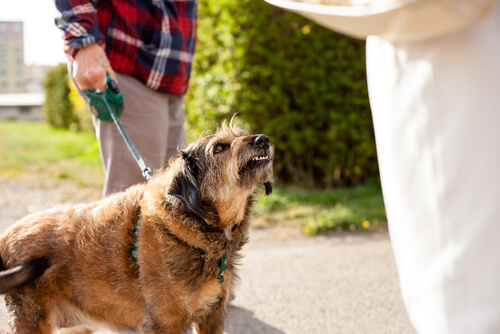
When dealing with a dog bite injury, choosing the right type of lawyer is crucial to ensuring that your legal and financial rights are fully protected. A dog bite case often falls under the broader category of personal injury law, but there are specific aspects that require specialized knowledge and experience. Here’s an in-depth look at what kind of lawyer you need and why.
How to Sue for Dog Bite Philadelphia, PA: Expert Legal Help
For most dog bite cases, a personal injury lawyer with experience in animal attack cases is the ideal choice. These attorneys specialize in representing individuals who have been harmed by someone else’s negligence or carelessness, including injuries caused by domestic animals such as dogs.
Key reasons to hire a personal injury lawyer for dog bites include: – Knowledge of State Laws: Dog bite laws vary greatly across states. For example: – Some states follow “strict liability,” meaning the owner is responsible regardless of whether they knew their dog was dangerous. – Other states require proving that the owner was aware of their dog’s aggressive tendencies or acted negligently. – Expertise in Building Liability Cases: An experienced attorney will know how to prove negligence or fault based on evidence like witness testimonies, veterinary records, and medical documentation. – Negotiation Skills: Insurance companies often attempt to minimize payouts. A skilled lawyer can negotiate aggressively to secure fair compensation.
When Should You Contact an Animal Attack Attorney Philadelphia, PA?
In more complex cases, you may want to seek out an attorney explicitly advertising specialization in dog bites or animal attacks. This could be beneficial if: 1. The injuries are severe (e.g., permanent disfigurement or disability). 2. The liability is disputed (e.g., conflicting accounts of what happened). 3. The case involves multiple parties (e.g., landlords, property owners, or animal shelters potentially sharing responsibility).
Questions to Ask When Hiring the Top Dog Attack Attorney Philadelphia, PA
Before hiring an attorney for your dog bite case, ask these key questions: – Have you handled dog bite cases before? If so, what were the outcomes? – Are you familiar with local and state-specific dog bite laws? – What percentage of your practice is dedicated to personal injury law? – How do you charge for your services—contingency fee or hourly?
Understanding Legal Fees with a Philadelphia, PA Dog Bite Law Firm
Most lawyers handling dog bite cases work on a contingency fee basis, meaning they only get paid if they win your case. Here’s a typical breakdown:
| Fee Structure | Description |
| Contingency Fee | Attorney receives 30–40% of the settlement amount |
| Hourly Rate | Rarely used; hourly payment for time worked |
| Retainer Fee | Upfront payment often deducted from final settlement |
Advantages of Hiring a Contingency Dog Bite Lawyer Philadelphia, PA
Even if your case seems straightforward, having professional legal representation offers several advantages: – Accurate Valuation: Lawyers can calculate damages beyond medical costs (e.g., emotional distress or lost wages). – Handling Insurance Companies: Insurers have teams focused on minimizing payouts; an attorney can level the playing field. – Legal Advocacy in Court: If the case doesn’t settle, experienced trial lawyers can provide aggressive representation.
Choosing the right lawyer ensures that your rights are protected throughout every stage of your claim process while maximizing potential compensation for damages incurred due to a dog attack.
Understanding the Average Settlement for Dog Bite Cases with a Dog Attack Lawyer Philadelphia, PA
When pursuing a legal claim for a dog bite injury, one of the most common questions victims have is about the average settlement amount they can expect. While there is no one-size-fits-all answer, understanding the factors that influence settlements can provide valuable insight into what a claimant might receive. Settlements in dog bite cases vary significantly depending on various considerations.
Explore Settlement Ranges with a Free Consultation Dog Bite Lawyer Philadelphia, PA
- Minor injuries: $5,000 to $25,000
- Moderate injuries: $25,000 to $50,000
- Severe or life-altering injuries: $50,000 to $150,000 or more
(In extreme cases—such as permanent disfigurement or death—settlements can exceed $1 million.)
It’s important to note that these figures are general estimates; actual settlement amounts depend on unique aspects of individual cases.
Important Factors in Choosing a Personal Injury Lawyer for Dog Bite Philadelphia, PA
- Severity of Injuries
The extent and permanence of injuries are primary considerations: - Did the victim require stitches or surgery?
- Was there nerve damage or scarring?
- Will there be long-term physical therapy?
- Medical Expenses
Victims are generally entitled to compensation for past, current, and future medical bills related to the injury. This includes: - Initial emergency care
- Hospital stays
- Rehabilitative treatments
- Lost Wages & Earning Capacity
If the injury caused temporary or permanent inability to work, settlements may include: - Lost income during recovery
- Reduced future earning potential due to disability
- Pain and Suffering
Emotional trauma such as fear of dogs (cynophobia), PTSD, or ongoing physical pain is often factored into non-economic damages. - Degree of Negligence by Dog Owner Courts consider whether:
- The owner knew their dog had aggressive tendencies
- The owner failed to secure the animal properly (e.g., no leash)
- Insurance Coverage Limits Many settlements are influenced by how much liability coverage exists under the dog owner’s homeowners’ or renters’ insurance policy.
Key Factors a Law Firm for Dog Bite Injury Philadelphia, PA Considers in Settlements
| Factor | Impact on Settlement | Example |
| History of Aggression | Higher payout | Dog previously bit another person |
| Shared Responsibility | Reduced payout | Victim provoked the dog |
| Location-Specific Laws | Increased/Decreased payout | State’s “strict liability” laws |
For example: In states with strict liability laws, owners are held accountable regardless of whether they knew their pet was dangerous, typically leading to higher settlements.
Final Thoughts
Understanding settlement averages and influencing factors empowers victims pursuing justice after a traumatic event like a dog bite. Consulting an experienced personal injury attorney is essential in accurately evaluating your case’s worth based on its unique details—and ultimately securing fair compensation for your damages.

Key Elements to Prove Liability with a Dog Bite Injury Lawyer in Philadelphia, PA
Proving liability in a dog bite case is often critical to ensuring that victims receive fair compensation. Liability hinges on the ability to establish that the responsible party failed to take reasonable measures to prevent the incident. Below are some key elements and considerations that can help determine liability in a dog bite case.
Key Elements to Prove Liability
- Identifying the dog’s owner is often the first step. In many jurisdictions, the owner is considered legally responsible for their pet’s behavior.
- Documents such as vet records, microchip registration, or licensing information can help establish ownership.
- In states with strict liability laws, dog owners are held accountable regardless of whether they were negligent or if the dog had no prior history of aggression.
- For states requiring proof of negligence, victims must demonstrate that the owner failed to act reasonably (e.g., failing to leash or secure a known aggressive dog).
- If the victim provoked the dog (e.g., by teasing or attacking it), this could impact liability.
- Similarly, if the bite occurred while trespassing on private property, it might limit or negate liability depending on local laws.
- Some jurisdictions follow a “one-bite rule,” meaning owners may only be liable if they knew—or should have known—that their dog was aggressive based on previous behavior.
- Evidence showing that an owner violated leash laws or containment regulations can strengthen a victim’s case for negligence.
Collecting Evidence
- Photographic and Video Evidence: Document injuries and physical evidence at the scene.
- Medical Records: Obtain reports linking injuries directly to the attack.
- Witness Statements: Eyewitness accounts can provide impartial testimony about what occurred.
- Animal Control Reports: Reports filed with local authorities may include critical details about past incidents involving the same dog.
Table Comparing Strict Liability vs Negligence-Based States
| Type of Law | Description | Example States |
| Strict Liability | Owner is liable regardless of prior knowledge or negligence | California, Florida |
| Negligence-Based | Victim must prove owner failed reasonable care | Texas, New York |
| One-Bite Rule | Owner liable only if aware of dog’s aggressive tendencies from prior bites | Virginia, Georgia |
Common Defenses Used by Dog Owners
- The victim was trespassing at the time of injury.
- The victim provoked the animal intentionally.
- The incident occurred due to unforeseeable circumstances despite reasonable precautions.
Importance of Legal Representation
- Help gather necessary evidence and witness testimony.
- Navigate state-specific laws regarding liability and damages.
- Ensure fair compensation for medical expenses, lost wages, and pain and suffering.
Understanding these key elements allows victims and their legal teams to approach their cases methodically and improve the chances of achieving justice for injuries sustained in a dog attack.
How the Best Dog Bite Lawyer Philadelphia, PA Can Help with Injury Claims
When pursuing compensation for a dog bite injury, the extent of the injuries sustained plays a critical role in shaping a legal claim. Dog bite injuries can vary significantly in severity, from minor scratches to life-altering trauma. Understanding how these injuries impact legal claims is essential for victims seeking justice and fair compensation.
Common Types of Dog Bite Injuries
- Puncture Wounds: Deep wounds caused by a dog’s teeth that may damage muscles, nerves, or blood vessels.
- Lacerations: Torn skin or deep cuts that often require sutures and leave scars.
- Infections: Bacterial infections such as rabies or tetanus can occur if the wound is not promptly treated.
- Soft Tissue Damage: Injuries affecting muscles, tendons, or ligaments due to the force of the bite.
- Disfigurement or Scarring: Permanent marks on visible areas like the face, neck, or arms.
- Nerve Damage: Severe bites can cause partial or total loss of sensation in affected areas.
- Psychological Trauma: Anxiety, PTSD (Post-Traumatic Stress Disorder), and fear stemming from the attack.
Factors That Influence Legal Claims Based on Injury Severity
- Costs related to emergency care, surgeries, medications, physical therapy, and long-term treatments are central to claims.
- Severe injuries typically lead to higher medical costs that must be documented thoroughly through medical records and bills.
- Victims unable to work due to their injuries may seek compensation for lost income during recovery.
- If permanent disability occurs, future earning capacity may also be considered when calculating damages.
- Serious injuries often result in higher non-economic damages due to ongoing pain or emotional distress caused by disfigurement or trauma.
- Cases involving permanent scarring, disfigurement, or disabilities may require ongoing support such as home care assistance or specialized equipment.
| Injury Type | Potential Impact on Legal Claim | Example Expenses |
| Minor Puncture Wound | Minimal damages; short recovery time | Basic wound cleaning; antibiotics |
| Disfiguring Scars | Higher damages for emotional distress and cosmetic surgeries | Reconstructive surgery; counseling fees |
| Nerve Damage | Long-term impact on quality of life; potential disability claim | Physical therapy; assistive devices |
Building a Strong Case Around Injury Extent
- Medical records outlining diagnoses and treatments received.
- Photographs documenting visible wounds before healing begins.
- Testimonies from healthcare professionals regarding long-term impacts.
- Evidence of lost income through pay stubs or employer statements.
- Statements from mental health professionals if psychological harm occurred.
Emotional Impacts Cannot Be Overlooked
While physical damage is often easier to quantify in monetary terms, emotional trauma following a dog attack carries significant weight in legal claims. For victims facing PTSD symptoms such as panic attacks around animals or difficulty feeling safe outdoors, this aspect should be addressed by mental health experts during proceedings.
Victims with severe dog bite injuries deserve fair compensation for both tangible losses like medical expenses as well as intangible suffering such as diminished quality of life. Working closely with an experienced attorney ensures all aspects—physical and emotional—are effectively presented in a legal claim.
Understanding Philadelphia, PA Dog Bite Laws and the Most Dangerous Dog Breeds
Dog bite incidents can occur with any breed, but certain breeds are statistically more likely to be involved in severe attacks. This is often due to a combination of factors such as breed-specific traits, physical strength, and training (or lack thereof). It’s critical to note that a dog’s behavior is heavily influenced by how it is raised, trained, and treated. Below, we examine some of the breeds most commonly associated with dog bite incidents based on reported data.
Breeds Commonly Linked to Dog Bite Cases
- Known for their muscular build and strong bite force.
- Frequently cited in severe injury or fatality cases due to their strength and determination once they attack.
- Often involved in legal restrictions or breed-specific legislation (BSL) across various jurisdictions.
- Large and powerful with a guarding instinct that can sometimes manifest as aggression without proper training.
- Responsible for a significant portion of attacks resulting in severe injuries.
- Highly intelligent working dogs but can become aggressive if improperly trained or socialized.
- Often employed as police or guard dogs, which may contribute to their association with biting incidents.
- A large breed known for its protective nature but also for its sheer physical power during attacks.
- While generally friendly, Huskies have been reported in some biting cases due to their high energy levels and potential frustration from insufficient exercise or stimulation.
- Typically loyal and protective but can show aggression toward strangers if not properly socialized.
- Known for their aloof temperament, which can lead to defensive aggression when they feel threatened.
Factors Contributing to Breed-Specific Risks
- Training: Poor training or reinforcement of aggressive behaviors increases the likelihood of bites.
- Socialization: Dogs that are not exposed early on to a variety of people, environments, or other animals may respond aggressively when they feel uncertain or threatened.
- Owner Responsibility: Neglectful ownership—such as failure to supervise pets or provide proper care—can escalate the risk of aggressive behavior.
- Past Abuse or Neglect: Dogs subjected to mistreatment often become defensive around humans.
- Size & Strength: Larger dogs capable of delivering greater force during an attack tend to cause more serious injuries.
Data Table: Reported Dog Bite Fatalities by Breed (Recent Examples)
| Breed | Percentage Involved in Fatal Attacks (%) | Common Traits Impacting Aggression |
| Pit Bulls | 65% | Strong bite force; tenacious nature |
| Rottweilers | 10% | Protective instincts |
| German Shepherds | 6% | Guarding tendencies |
| Mixed Breeds | 5% | Variable behaviors |
Source: Compiled from multiple animal behavior studies.
Debunking Myths About Dangerous Breeds
- Aggression is not a fixed trait tied solely to genetics; environment plays an equally critical role.
- Overgeneralizing about specific breeds perpetuates stereotypes without addressing core issues like owner education and training practices.
Understanding these dynamics helps mitigate risks while encouraging safer interactions between humans and animals alike.
- Finding the Right Dog Bite Injury Lawyer in Philadelphia, PA
- How a Philadelphia, PA dog bite attorney Can Effectively Handle Your Case
- How to Sue for Dog Bite Philadelphia, PA: Understanding Strict Liability and Negligence-Based Laws
- Legal Guidance from a Dog Attack Lawyer in Philadelphia, PA
- Finding the Right Philadelphia, PA Dog Bite Attorney for Your Case
- Navigating Legal Responsibilities with a Dog Attack Lawyer in Philadelphia, PA
- When to Hire a Dog Attack Lawyer Philadelphia, PA After an Incident
- When to Hire a Dog Bite Injury Lawyer Philadelphia, PA for Your Case